
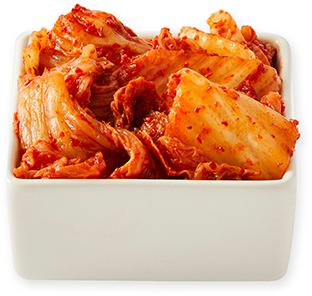
Bonchon Kimchi is listed at 67 calories
The current June 2026 nutrition data lists Bonchon Kimchi at 67 calories for the tracked 8-ounce serving. That is the practical answer to the Bonchon Kimchi calories question when your side matches the standardized row. The figure describes a complete side serving, not a single cabbage leaf, a spoonful taken from the container, or a universal value for every kimchi recipe.
Use the 8-ounce serving label before comparing this side with anything else on the table. A smaller cup, a shared plate, a restaurant substitution, or a different recipe may not contain the same amount. Treat 67 calories as a useful planning reference and confirm current local details when the portion or ingredients look different from the tracked item.
Keep kimchi separate from rice and pickled radish
Kimchi is a fermented vegetable side, while steamed rice is a separate starch and pickled radish is a separate accompaniment. The 67-calorie Kimchi row does not include either item. Add each order separately in the calculator so a meal with rice and kimchi does not look lighter simply because the side names are often served together.
This separation also helps when portions are shared. If several diners take a few bites from one kimchi dish, record the full 8-ounce order first and estimate the fraction eaten. Do not replace the complete row with a generic “vegetables” entry or assume that a low-calorie side can stand in for the energy and nutrients of rice, noodles, chicken, or another main dish.
Calories are modest, but sodium still matters
The tracked serving lists 0g fat, 13g carbohydrates, 7g fiber, 3g sugar, 4g protein, and 624mg sodium alongside its 67 calories. That combination explains why a side can be low in energy while still affecting the nutrition total that matters to a particular diner. Looking only at calories would miss the sodium and fiber context.
Compare the full row with the rest of the meal rather than labeling kimchi universally “light” or “healthy.” Sauced chicken, fries, noodles, rice, and drinks may contribute much larger totals, while several salty sides can accumulate quickly. The calculator is useful because it keeps calories, sodium, protein, carbohydrates, fat, sugar, and fiber visible at the same time.
Use simple portion math for a shared side
Two people splitting the tracked 8-ounce side evenly would average about 34 calories each. Four equal shares would average about 17 calories each. Those are arithmetic portions of the listed container, not official individual serving sizes. A diner who takes most of the liquid, cabbage, or larger pieces may consume a different fraction of the total nutrients.
For consistent logging, enter the full Kimchi row once and estimate the amount eaten afterward. If the side is replenished or a second order arrives, add that order separately. This avoids both undercounting a shared table and counting one container again when the leftovers become part of a later meal.
Pair kimchi with a complete meal plan
Kimchi is usually one part of a larger Bonchon order. Add the exact wings, drumsticks, strips, boneless chicken, combo, Korean dish, starter, dessert, and drink separately. The 67-calorie side does not meaningfully describe the total meal by itself, and it should not be used to make a large fried order appear small.
The menu and calculator can help you decide whether kimchi is an extra side, a shared palate cleanser, or one of several additions. Keep it visible when comparing a chicken-and-rice plate with a spread of fried starters. The purpose is not to rank foods morally; it is to make the complete order easier to understand before you choose a local restaurant.
Verify recipe, fermentation, and dietary details
Cabbage amount, seasoning, fermentation time, brine, serving size, supplier, and availability can vary by restaurant or change over time. Review current official nutrition information and your selected local menu before treating 67 calories as an exact match. A smaller cup or a substituted side should be recorded as its actual item when reliable information is available.
The nutrition row is not an allergen or medical-safety statement. Kimchi may involve fish, shellfish, soy, wheat, sesame, or other ingredients depending on the recipe, and shared utensils or surfaces can create cross-contact. Check official allergen guidance and ask restaurant staff when allergies, sodium restrictions, or other medical needs require current preparation details.