
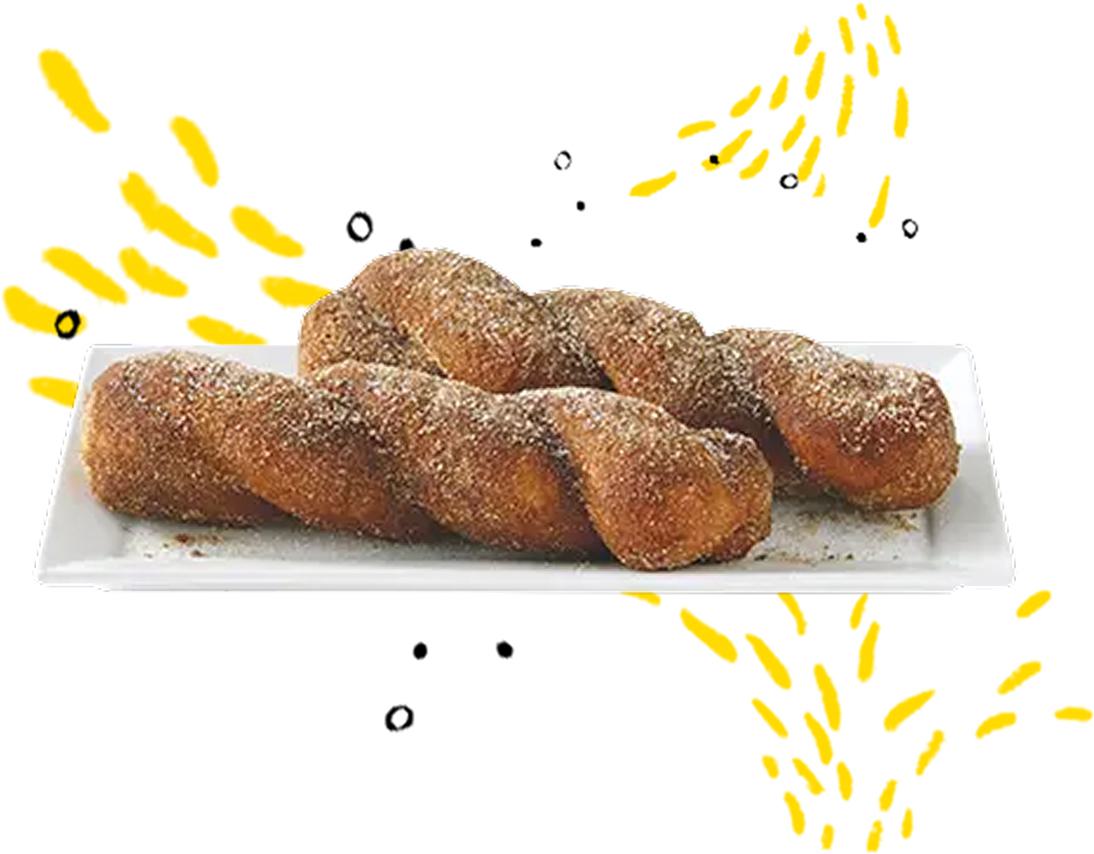
Bonchon Korean Donuts are about 730 calories
The current local menu data lists Bonchon Korean Donuts at about 730 calories for the tracked dessert serving. That is the direct answer to the Bonchon Korean Donuts calories question when the order matches the listed portion and preparation. The number describes the complete dessert order, not automatically one bite or one donut unless the current serving description says so.
Sweet fried dough can vary in size, coating, filling, and sauce, so a photograph is not enough to identify the serving. Begin with the complete menu row in the calculator and check the current dessert menu at your restaurant. If the number of pieces or topping is different, keep your result as an estimate rather than presenting 730 calories as a guarantee for every order.
Understand the serving before counting a piece
Dessert servings often create confusion because a basket can contain multiple small-looking pieces. Read the item name, portion, and receipt before deciding whether 730 calories applies to the whole order. If you share the matched dessert with two people, an even arithmetic split is about 365 calories each. That is a planning average, not an official per-piece value.
Do not multiply the complete row by the number of people who ate from the same basket. Enter the order once, then estimate personal portions based on what each diner consumed. If one person ate most of the glaze or coating, the split will not be even. Keeping the whole-order total visible prevents a shared dessert from being accidentally logged several times.
Coating, filling, and sauce belong in the estimate
The energy in a donut dessert does not come only from the dough. Frying, sugar coating, glaze, filling, dipping sauce, and finishing toppings can all contribute. A change in portion or topping can therefore make a generic bakery estimate misleading. Use the supported Bonchon row for the closest complete match and ask the restaurant what is included when you customize the order.
Avoid adding a separate generic donut, sugar, or sauce entry when those components are already represented in the dessert row. Add a second calculator item only for a distinct extra order. This keeps the dessert total clean and makes it easier to compare Korean Donuts with a meal, drink, or shared appetizer without hiding which item supplied the calories.
Plan dessert alongside the rest of the table
A dessert may follow fried chicken, noodles, rice, or a large appetizer platter, so the total meal can be much larger than the dessert row alone. Build the full order in the calculator and keep Korean Donuts as its own line. This makes it possible to test one full dessert, a shared fraction, or a table where only one diner eats sweets.
The word dessert does not tell you whether an order is small or shareable. Use the current serving information instead. For leftovers, record the fraction eaten and carry the remainder forward rather than logging another complete 730-calorie order. Transparent notes about sharing and leftovers are more valuable than a precise-looking number based on an assumed piece count.
Check nutrition and allergen information
Calories are a starting point, not a complete nutrition profile. Fried dough and coatings can contribute fat and carbohydrate, while sauces may add sugar or sodium. Use the nutrition page and the exact current serving when you need more detail. A dessert recipe or topping can change, so the latest official information should take priority over a saved estimate.
Allergen questions need a separate answer. Wheat, egg, dairy, soy, sesame, nuts, shared fryers, and cross-contact may matter depending on the dough and finishing ingredients. Ask the restaurant for current ingredient and preparation details when allergies or medical restrictions are involved. The calculator is not an allergen certification and should not replace official safety guidance.
Verify the dessert order before checkout
Before ordering, confirm the current Korean Donuts portion, piece count, coating, price, availability, and ordering channel with official Bonchon information or your local restaurant. Local menus can change. Keep the receipt so you can tell whether a sauce or extra dessert was included and so you can estimate the part that was actually eaten.
For the closest result, select Korean Donuts once, use about 730 calories for the complete matched serving, and add only separate items. The calculator and dessert page provide planning context, while the nutrition page and official ordering channel provide current details. This answers the calorie question without turning a variable shared dessert into a false exact per-piece claim.