
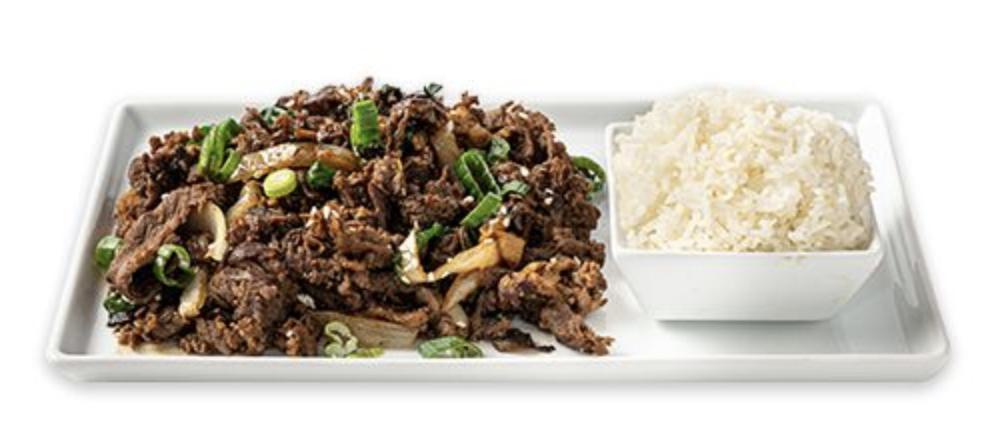
Bonchon Bulgogi is listed at 1,940 calories
The current local nutrition data lists Bonchon Bulgogi at 1,940 calories for the tracked complete serving. That is the direct answer to the Bonchon Bulgogi calories question when your order matches the restaurant row. It is a plate-level number, not a simple calorie estimate for a few slices of beef. The rice, marinade, sauce, vegetables, and other included components should remain part of the calculation.
A large total can be surprising when the beef is the most visible part of the plate. Restaurant nutrition rows account for the whole preparation, while a photograph cannot show every gram of rice, oil, sauce, or cooking ingredient. Use 1,940 calories as a planning reference, then verify the current local menu, portion, and recipe before treating the figure as applicable to your order.
Do not log the beef separately from the complete plate
The most common tracking mistake is to choose the complete Bulgogi row and then add separate rice because the plate visibly contains rice. If the row represents the full meal, that second entry double counts it. Start with the receipt and serving description. Add a separate rice item only when it was ordered as an extra or when your selected nutrition row explicitly excludes it.
The same rule applies to sauce, vegetables, and toppings. Do not subtract them simply because they seem small, and do not add generic estimates automatically. If you ordered a modified plate, describe the result as an estimate and keep a note about what changed. Clear serving definitions produce a more useful total than false precision built from unrelated database rows.
Understand why a marinated dish can be substantial
Bulgogi is more than plain grilled meat. Marination, cooking oil, sauce, rice, and the final portion all affect the energy and macronutrient profile. A sweet or savory marinade can add carbohydrate and sugar, while a generous beef serving can add fat and protein. The calorie headline is therefore a useful starting point, but it should be read alongside the full official nutrition row.
Use the Korean dishes menu page to compare Bulgogi with bibimbap, Japchae, fried rice, udon, or other complete dishes. Comparisons are fair only when the serving context is similar. A side portion or a few bites from a shared plate should not be compared directly with the entire 1,940-calorie order without dividing the serving and acknowledging the uncertainty.
Plan a solo or shared Bulgogi order
If one person eats the entire tracked plate, enter the complete 1,940-calorie serving once. If two diners share it evenly, the arithmetic average is about 970 calories each. That is a planning split, not an official individual serving. The person taking more beef, sauce, or rice may consume a different fraction, so estimate based on what was actually served rather than assuming every plate was divided perfectly.
For leftovers, keep the remaining portion tied to the original order. A half-eaten plate should not become a second full entry on the next day. Note what was consumed and use the calculator to model the remainder. Add separate appetizers, drinks, desserts, or sides only when they are distinct orders, so the meal total remains auditable.
Check sodium, allergens, and current ingredients
Calories alone cannot answer every nutrition question. Marinated beef dishes may also be significant sources of sodium, and the balance of fat, carbohydrate, and protein depends on the complete recipe. Open the nutrition page for current details and use the row that matches your serving. If an ingredient or portion changes, update your estimate instead of carrying forward an old assumption.
Ask the restaurant about wheat, soy, sesame, egg, dairy, and cross-contact when allergies or medical restrictions matter. A calorie row is not an allergen statement and cannot guarantee a safe preparation. Prices, sauces, preparation, availability, and ingredient procedures may differ by location. Official staff guidance should take priority over an online calculator for safety decisions.
Use the calculator before placing the order
For an accurate planning workflow, select Bonchon Bulgogi as a complete Korean-dishes item, keep the 1,940-calorie row intact, and then add only separate items. The calculator lets you test a full plate, a shared fraction, or a larger table order. Pair the result with the menu and nutrition pages so you can see category context and the serving assumptions behind the number.
Before checkout, confirm the current local menu, serving size, price, and availability through official Bonchon ordering or the restaurant itself. A clear receipt can tell you whether rice and sauce were included and whether an extra side was added. That small verification makes the 1,940-calorie reference useful while recognizing that a restaurant order is not identical at every location or on every date.