
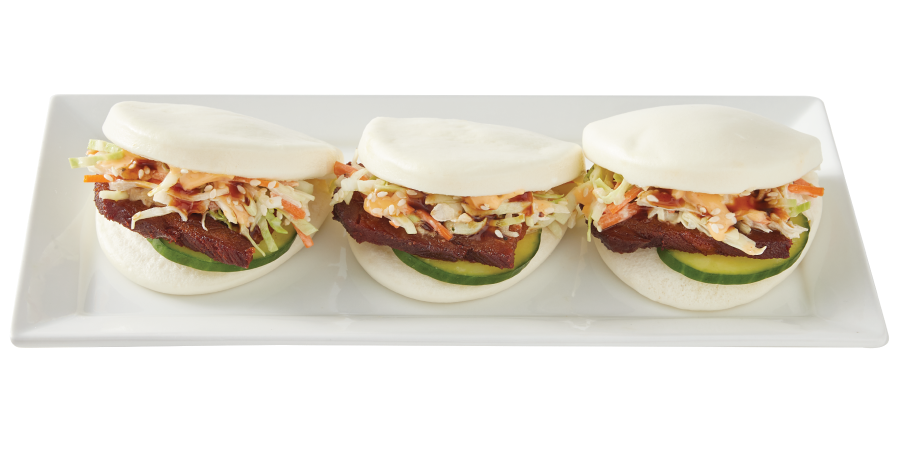
Bonchon Bao Buns are about 580 calories
The current menu data lists Bonchon Bao Buns at about 580 calories for the tracked restaurant serving. That is the direct answer to the Bonchon Bao Buns calories question when the order, filling, topping, and portion match the row. It should be read as a complete appetizer reference, not as a promise that every bun, sauce cup, or location uses exactly the same preparation.
A bao order can look light because the bread is soft and steamed, but the filling and finishing sauce still contribute to the total. Start with the complete menu name in the calculator. Do not replace it with a generic plain-bun estimate unless you truly ordered a plain bun, and do not call 580 calories an exact value when your restaurant makes a documented substitution.
Check whether the number means one bun or the order
Serving labels are especially important for bao because diners may share several small-looking pieces. The local row is an order-level planning reference. Read the item name, count, and serving description on the current menu or receipt before dividing it. If the restaurant presents multiple buns together, enter the full order first so the group total is not accidentally recorded as one individual piece.
If two people split a matched 580-calorie order evenly, the arithmetic average is about 290 calories each. That is only a division of the listed total. One person may eat more filling, sauce, or bread than another. For a partial portion, estimate the fraction consumed and note the uncertainty instead of inventing a per-bun number that the official row does not provide.
Filling, sauce, and toppings change the meal
The bun is only one part of the appetizer. A savory protein, crunchy topping, sweet or spicy sauce, slaw, and garnish can all change calories and macros. Even a small extra sauce cup can be meaningful when the order is shared. Use the supported row for the closest complete match, and ask the restaurant which components are included when a custom order differs from the published description.
Avoid adding a second generic bread or chicken entry on top of the bao row when those parts are already represented. Add another calculator item only when it is separate, such as an extra side, drink, or distinct chicken order. This keeps the total understandable and makes it easier to compare bao with potstickers, takoyaki, Korean tacos, or other appetizer choices.
Use the appetizer category for a fair comparison
The appetizer page gives useful context because Bao Buns sit beside items with very different serving sizes. A sampler, fries, dumplings, or tacos may be designed for sharing, while bao may be ordered as a snack or part of a larger table. Compare complete supported rows and their intended portions rather than ranking foods from a photograph or from an estimate copied from another restaurant.
For a solo meal, add the bao order and then list every separate item you actually plan to eat. For a group, record the platter or appetizer order once and divide it after deciding who ate which pieces. The calculator can show both the full table total and a rough personal share, which is more transparent than silently treating a shared order as one serving.
Review nutrition and dietary information separately
Calories are a useful planning signal, but they do not explain the full nutrition profile. The bun contributes carbohydrates, while filling and sauce may contribute fat, sodium, sugar, or protein. Open the nutrition page for the source context and use the exact current serving. If the listed row changes, update your log rather than assuming the old number still describes a new recipe.
The calorie estimate is not an allergen guarantee. Wheat, soy, sesame, egg, dairy, shellfish, and shared equipment may matter depending on the filling and preparation. Ask staff for current ingredients and cross-contact procedures when allergies or medical restrictions are involved. The site is a calculator and planning guide, not a replacement for official allergen documentation or professional dietary advice.
Confirm the current order before you log it
Before checkout, confirm the available filling, number of buns, included sauce, side items, price, and local availability through the official Bonchon ordering channel or your restaurant. A menu can vary by location and a limited-time item can disappear. Keeping the receipt helps you distinguish one complete bao order from extras added for the table.
For the closest match, choose the Bonchon Bao Buns row in the calculator, keep the 580-calorie reference attached to the complete serving, and add only distinct extras. Then use the menu and article hub to compare other supported options. This method answers the calorie question clearly while leaving room for the real-world differences that occur between restaurants, recipes, and shared meals.